


Google Workspace users wanted
Thank you for your interest in our Google Workspace research study
The research is being conducted in Zurich on the 8th July 2026
If you have filled out the form in the ad we will be in touch soon
Otherwise, please leave your details here: https://forms.gle/PhssyoyGu24uzBdW9
Thank you
River Research
Google Workspace users wanted
Thank you for your interest in our Google Workspace research study
The research is being conducted in Zurich on the 8th July 2026
If you have filled out the form in the ad we will be in touch soon
Otherwise, please leave your details here: https://forms.gle/PhssyoyGu24uzBdW9
Thank you
River Research

Smart AI Glasses – Existing users needed
We are running a series of studies in the US among existing users of smart glasses. Please leave your details here if you are interested in participating
If selected, the research will consist of a 90 minute video cal. We would pay $200 for your time.
Please complete the form to apply:

Wearable AI research
We are running a research study, among people local to Venice, California, looking for people to test wearable AI devices
Please complete the form to apply
https://forms.gle/eUJ3yFoGhgN8UAvu7


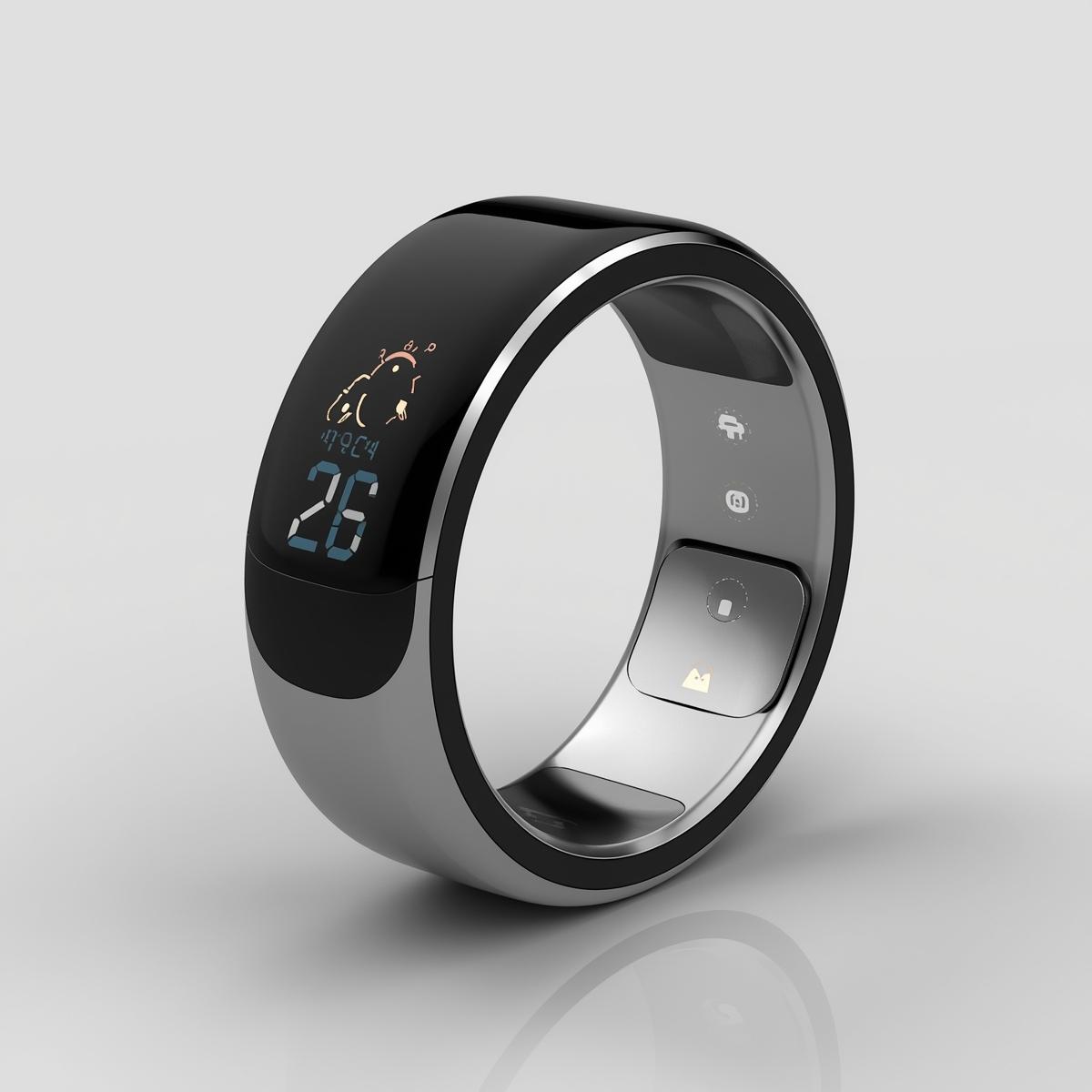

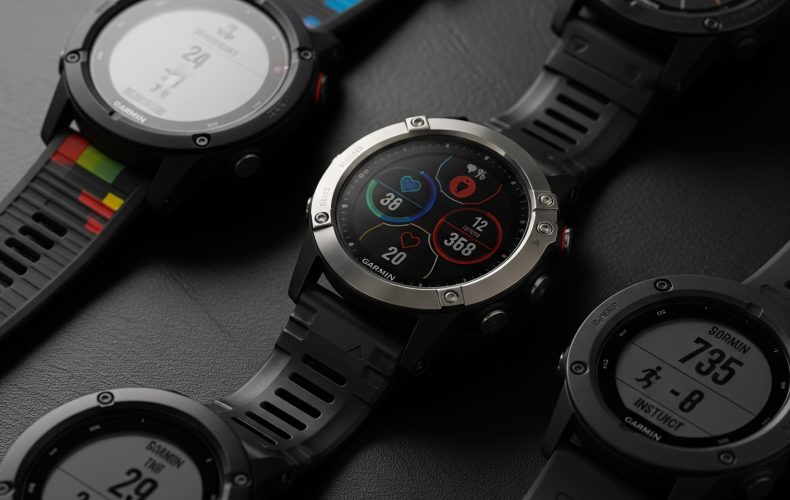
Garmin watch users needed
We’re running a series of research studies looking at Garmin watch users who would be interested in testing other brands
Please click here to register your interest and leave your details
Thanks
River Research 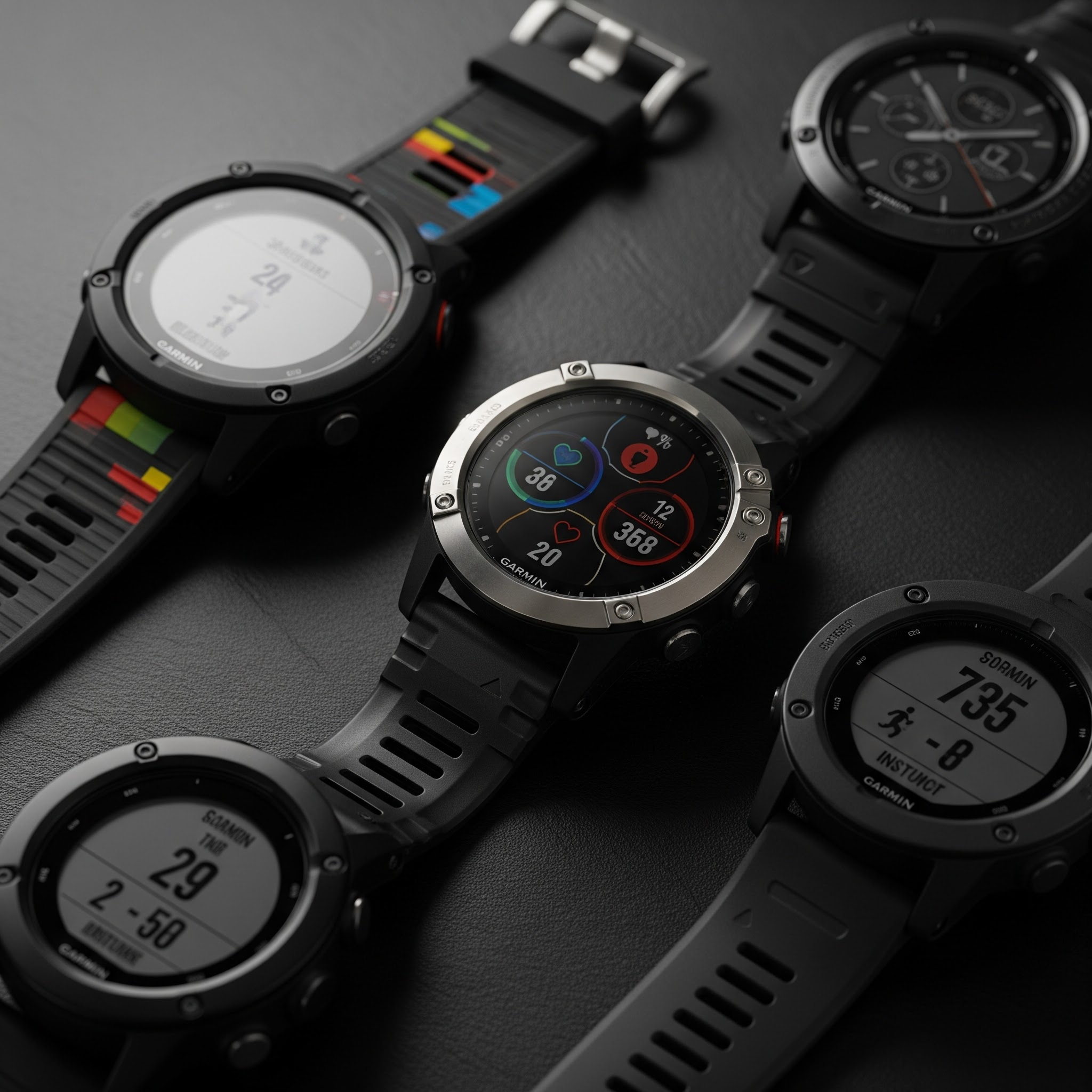
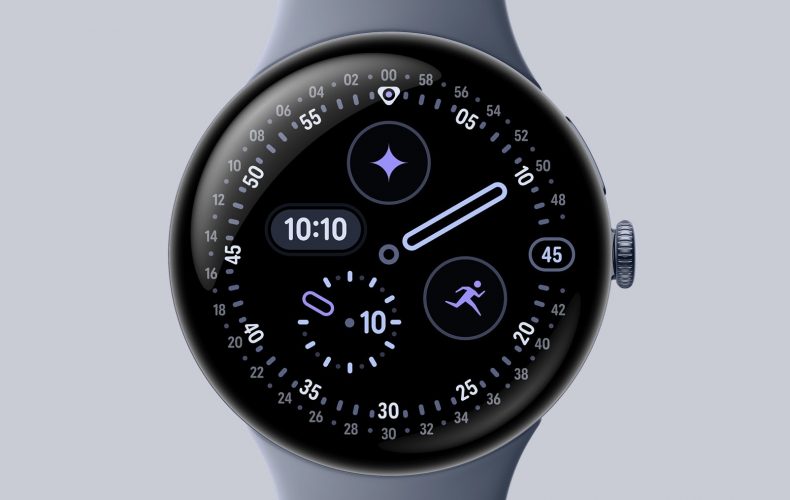
Google Pixel Watch 4 research
Hi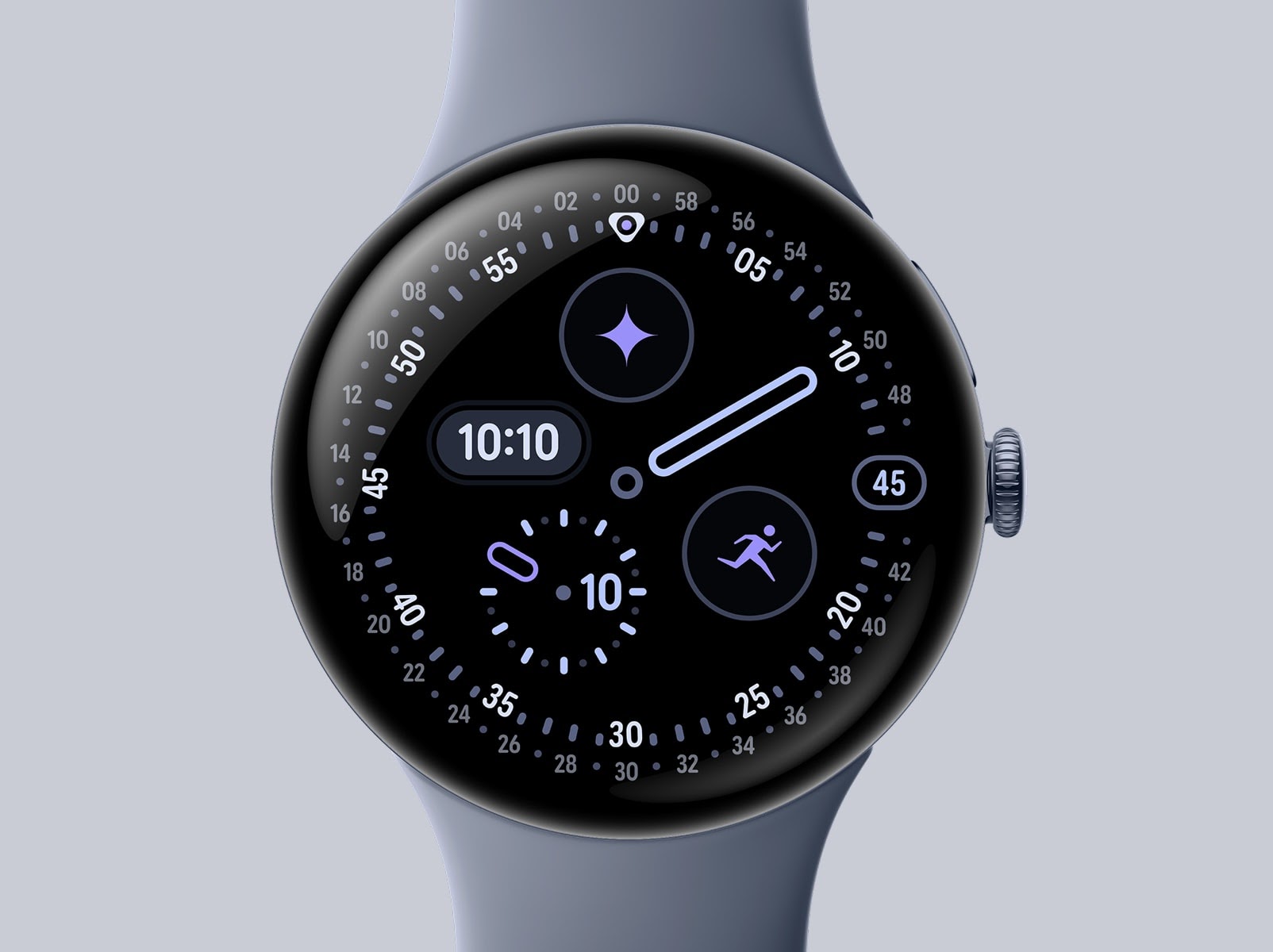
We’re looking for users to help with user testing – ideally those interested in buying or have recently bought a Pixel Watch 4.
Please leave your details in the Google form here and we’ll get back to you soon.
Thanks for your interest
Form also available here: https://forms.gle/krCNfHXgu4n3stYK6

Crossing the AI chasm: River’s journey so far
Crossing the AI chasm: River’s journey so far
As a boutique agency with a strong focus on tech and digital channels, we’ve been hearing and seeing the impact of Generative AI for the last couple of years. But since the arrival of Chat GPT in the consumer space, it has been interesting to see how the dial is being turned up on this and, in turn, how it’s impacting our work and our offer. So we thought we’d share some of our experience and thoughts on this – in the spirit of transparency and helpfulness. A little about what we’ve learnt so far. Hopefully, this will be helpful to those interested in what agencies are experiencing.
So, like many people and agencies in the professional space, we initially felt we were somehow free from the threat of AI significantly impacting on our work. This was naive – but we naturally felt that as we had great client relationships that buy into the quality of service we deliver, then we wouldn’t really need to change that much (adapt a little, yes – but not really change). We saw AI kind of like a new methodology – let’s take it on and add it to our toolkit. But, in reality, we’ve had to make much bigger changes.
From our perspective, AI is moving the needle and research needs to keep up. So here are 4 things we’ve learnt so far (Disclaimer alert: we’re not presenting these as universal truths, just sharing our experiences and thoughts here!).
1. It’s a new toy for participants that can result in unhelpful contributions to the research process
Let’s start with the negative…..
When moderating a research forum recently it became apparent that a couple of users had used AI to generate their answers. The big giveaway was “as an AI machine I can’t provide opinions but….”. The participant hadn’t even read the answer – just copied and pasted the response from the AI! So that was a pain and all data had to be removed from the survey. Other respondents were more subtle – but there was an obvious pattern in their responses. Across a 3 week forum, answers to our questions suddenly went from a few words or sentences to very full and highly detailed responses. As much as we’d like to think they had just suddenly become very engaged, there was a real notable shift in language, structure, tone and detail. Basically – a few rascals were getting help from AI to complete the forum.
So now, in all our studies, we have to watch out for this and make sure our respondents stay true to their own views and opinions. We’re spending more time keeping them true to themselves and reinforcing the need to give unfiltered, real answers based on their experiences/attitudes/ needs etc. This obviously sounds like just good qualitative practice, but once you see it play out you realise how much it needs to be an extra layer to not influence your study.
2. But AI is also a great research tool!
We’ve recently built AI into our studies – seeing how it can help us and our clients get to where we want to be more efficiently. To be honest, this is the area we were most sceptical of. We’ve just lamented respondents using AI tools now we’re saying we use them. But there is a difference – honestly!
Firstly, AI should be used as an assistant to analysis, not any kind of replacement. Researchers should continue to generate the themes and insights themselves and maintain their qualitative judgement on the direction of travel of consumer sentiment on all studies. But AI can help us bring these themes and insights to life quickly and comprehensively across studies in a way that used to take days pouring through transcripts and videos – looking for evidence, quotes and clips, and generating visual assets. AI can do a lot of the basic leg work on a qualitative study that supports the main findings – this is really helpful!
Secondly, AI can also be used by our clients directly to help surface examples and themes that may help other workstreams they have or answer questions arising from the research that feed into other projects or company strategies. By using qualitative platforms that also have generative AI abilities, queries can be run on sentiment, attitudes, behaviours etc. Data can be cut and recut in a multitude of ways very quickly, with supporting evidence in the form of quotes and clips. Using tools at our disposal, and making these available to clients, allows us all to mine the data quickly and effectively, to test hypotheses and bring these to life. We see it as a tool that allows us to collaborate openly with our clients. We’ve always prided ourselves on being agile, this takes that agility up another level!
3. AI is changing consumer opinions*
A couple of years ago, when doing CX research, we would naturally hear how no one liked dealing with ‘bots’. They were impersonal, ineffective, and generally considered a barrier to problem-solving. Fast forward to today and we’re hearing something very different (although it varies widely based on the consumer segment, client sector and how well-integrated the AI is). We’re hearing how it’s better for some* consumers to ‘speak’ to an AI than wait forever on a call, only to be disappointed or bamboozled by a customer service agent. For example, we’ve spoken with participants who have social anxiety, who have said how an intelligent AI led interaction makes them feel more comfortable than dealing with humans. Just to be clear, we’re not advocating for AI to replace great customer care agents, but it’s becoming increasingly obvious that effective AI has a strong role to play in a holistic CX experience – often as a filter before a more human experience is required.
In many cases, these CX chatbots are the first experience many users have of AI but we’re also seeing an enormous amount of activity among Gen Z in particular where they’re ‘playing’ with AI tools to see what it/they can do – help with study assignments, write emails, generate avatars, and yes – help with research surveys too!
So when we’re looking at what consumers are doing, what are their influences and where they look for help and guidance, AI is now part of that conversation. It’s an area where consumers don’t like to admit they’ve taken inspiration from (no one likes to admit they are outsourcing their thinking**), but delve a little deeper, it’s increasingly there, in the background somewhere! More probing required!
4. Most client organisations don’t feel they are doing enough!
AI is a dominant factor in the majority of our studies these days – either directly or indirectly. Most of our client organisations are using/incorporating AI across workstreams and teams. AI has become key to strategy and product and service development and delivery. But speak to clients and most don’t feel they are doing enough or doing it quickly enough. AI is being built into product sprints and co-creation sessions – but are they bringing products and services to market quicker/stronger than their competitors? We’re seeing in some clients, ‘AI panic’ – the notion that AI will turn business models on their heads and change the nature, structure, competitiveness and possibly culture of a company. It’s reminiscent of the classic Geoffrey Moore model of Crossing the Technology Chasm – with everyone feeling they have to be in the Early Majority/Innovators camp or they will fall through the cracks.
In conclusion: the only constant is change
These are interesting times. It feels (to us!) redundant to argue whether we’ll have to change our approach based on the impact of AI. AI has rapidly become a tool, a service, an influencer, and a corporate strategy. It feels like it’s permeating through our studies at an increasing rate and the only way to keep up is by using it ourselves, thereby further accelerating its influence. It’s reminiscent of the early days of the internet again – so many possibilities but at this stage no real understanding of the extent to which this will change our behaviours and thinking – only that it will.
To us, here at River, this feels like a generational change. So to other smaller agencies, we would strongly recommend against any form of complacency. Get with it, be proactive, and embrace the change.
Good luck on your journey.
River Research
April 2024
* Not everyone, obviously
** This article was written by a live person

Cryptocurrencies: are you all in?
If you’ve been watching the World Cup of late you may have seen an interesting ad during the break for Hdac:
As far as we know this is the first time blockchain technology has been promoted to the mass market via TV (in the UK at least) but it is certainly a sign of things to come. A blockchain in its most basic form is the platform that brings cryptocurrencies like Bitcoin or Ether into play.
River recently undertook a research study looking at consumers with wide ranging and self-directed investment portfolios and asked them about their understanding of, and in interest in, cryptocurrencies. The results were surprising and highlight some of the issues with the market as it currently stands.
Lots of heat, not much light
Firstly, the idea of cryptocurrency is very exciting for investors. There is genuine belief that this represents a credible long-term investment option and will become an important part of their portfolios. Whilst there a lot of noise in the financial press about the massive swings in Bitcoin, there is a wider sense that cryptocurrency is establishing itself as a credible tradable commodity that has very good long-term growth potential. In a market that is always looking for new ways to invest, cryptocurrency is seen as a great growth opportunity
HODL: Not for the faint hearted
But the key factor putting off many investors at present is the volatility of market and the potential for short term loss that will take a while to recover. The message you’ll hear on all cryptocurrency forums when asked what to do with their investments is HODL – a slang term that effectively means hold on – don’t lose your nerve. Many investors jumped on to the attractive upswing in Bitcoin but are now facing a bear market for most cryptocurrencies. The idea of getting rich quick has fast become HODL – not the investment strategy many were looking for! The scariest thing for many investors is that there is no long term normative data to benchmark how long or how low currencies will fall for – it’s a new market and investors are learning as they go.
Where do I begin?
For many this is the key barrier. Most ordinary investors don’t know the difference between a blockchain and an ICO. The terminology is a new language – both in terms of finance and technology. But currency exchanges are now emerging that allow investors the opportunity to buy different cryptocurrencies as easy as regular currencies – you simply need a digital wallet and the conviction to invest. You may even have seen a Bitcoin ATM near you!
So despite the perceived complexity and the volatility, blockchains and their cryptocurrencies are generating more interest and forming a larger part of our discussions with investors than ever before. It’s an emerging, exciting market that many want to be involved in – but indecision over what currency and to some degree what wallet and what exchange is still a factor. Many however expect the market to consolidate and simplify as it becomes more established – the perception is that it won’t be long before your IFA is recommending some cryptocurrency holdings!
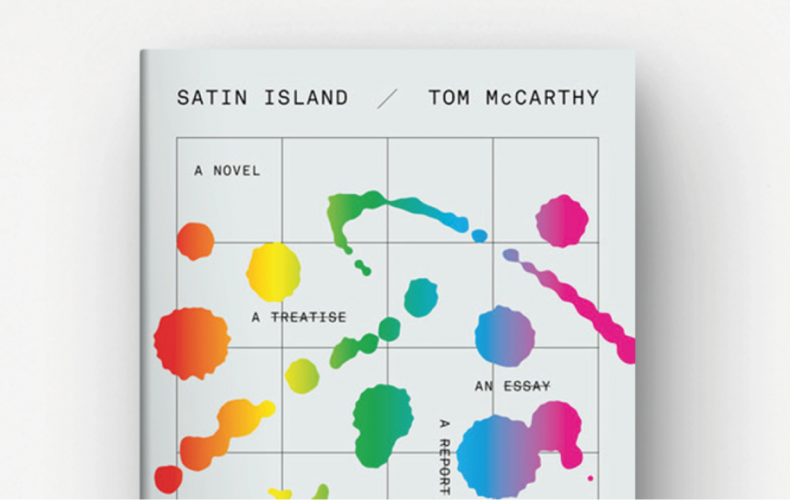
Is this the Novel for Our Sector? – Review of ‘Satin Island’
I haven’t entirely decided how to take Satin Island. It’s either a clever and highly nuanced satire of the knowledge and consultancy sectors at their most beard-stroking and hubristic. Or it’s a rather abstract, beard-strokingly impressionistic musing on ‘the patterns that surround us’ and the connectedness of, well, everything. Either way, it’s an impressively imagined rendering of our sector’s voice and culture - and it’s hugely original.
I’m inclined to see it as an elegant satire of the sector. Frankly, there’s not nearly enough satirising of our sector.
Here’s our almost nameless narrator, ‘U’ (you? Kafka’s drifting ‘K’?), an ethnographer-anthropologist working on an undefined project of global importance at a global company, headed by a talismanic surname, ‘Peyman’ (Sir Martin perhaps?) - a man who’s a sage to ministers and statesmen. ‘U’ is paid to think about things on what appears to be a rather vanity, ‘look clever’ footing (having once written a noted work on night club culture). That will already ring a bell curve with our peers.
‘U’ opines on a kaleidoscope of ‘things’: parachute-tampering deaths; the slow movement of oil in oil spillages; the cargo cult in Vanuatu. He suffers a form of writer’s block, seeking to write a heavily anticipated ‘Great Report’, while not knowing its subject or purpose (anyone in our sector who’s read this novel is certain to use ‘The Great Report’ label for their next piece of work). He has an artist’s eye and his reflections on the connections between forms of movement are often a delight (Lagos traffic and buffering; tumours and oil spills; jellyfish and parachutes). They reminded me of looping projector installations in contemporary art galleries. (Tom McCarthy has mentioned a phase in the gestation of the novel where he found himself enthralled by repeat footage of oil spills).
The novel does a fine job of rendering some of those all too common pretensions of the consultancy world, and the desperate efforts many of us make to be seen to be doing anything but ‘selling stuff to people’. A culture that co-opts the language of the art world, the design world, the world of people-who-actually-make-stuff world. Whence such job titles as ‘Cultural Storyteller’, ‘Ethno-Curator’ and ‘Behavioural Engineer’. (‘No, you’re not getting retitled ‘Financial Storyteller’, mate. You’re staying ‘Payroll’’). It even resembles a consultancy report, with its short, numbered sections (1.1., 1.2…) and foyer coffee-table friendly squarer form.
It also captures the way idle thinking can quickly turn into orthodoxy (remember ‘Brand Love’?) – in the way the industry is currently mudwrestling with ‘storytelling’. We learn that Peyman has started using one of U’s passing constructs at a very high level. ‘U’ is later asked by Peyman’s assistant ‘to bring up whatever you’ve got’ to a rare meeting – even though ‘U’ hasn’t actually written anything. That alone seems to do the trick. It all feels like one glorious suit of Emperor’s New Clothes, though ‘U’ is no ‘Lucky Jim’ chancer – he’s terribly earnest.
Throughout, ‘U’ is an enchanted observer of ‘things’, but a pretty dreadful empathiser with and observer of people – something one sometimes hears said about a sector that’s supposed to be about understanding ‘real people’. His tone is wonderfully clinical, elevated and removed. His lover tells him a shocking story about how she was seized by the police during an anti-globalisation protest, and was forced to act out a bizarre, semi-sexual ballet for an unknown senior official. ‘U’ doesn’t really pursue this – it’s not that interesting to him. Likewise, a colleague has a terminal illness, which cues some thoughtful musing on the idea of attaining a kind of immortality by phasing text messages to send beyond the grave (but not much sympathy).
Oh, we do see flashes of our hero fantasising about edifice-tearing and sabotage, but at each point normal service resumes. He’s a brilliant, cold fish. I have a London-based consultant friend of a friend about whom we sometimes affectionately say ‘He finds Wallpaper magazine a bit provincial’ and ‘He can read Monocle with a straight face’. He can talk in depth about Sao Paulo pichaçao, but can’t name a single character from Coronation Street, past or present. (Of course, it wouldn’t be him if he could). That’s ‘U’. If you work in the knowledge and consultancy sector, he’s eerily familiar.
So, think: ‘Monocle - the Novel’. I really enjoyed it. It is probably the great novel of ‘our’ sector for this century. Ironically though, for a novel that channels marketing and consultancy so well, I can’t see it shifting many units or taking the Booker Prize, despite making the longlist this month and also - fittingly –being available in a traditionally bound luxury edition for no less than £185. Tom McCarthy is a literary innovator and his previous two novels are equally smart and tricksy, but he’s no crowd-pleaser.
If only he’d called it ‘The Girl with the Satin Island’. Or ‘The Strange Young Ethnographer Who Thought of Oil Spills and Dreamed of Staten Island’. I’m seeing a cover with an enigmatic silhouette on it, walking into the distance; a Richard and Judy endorsement in the bottom right corner. Come on, consultants. Let’s workshop this.